What does it mean to be a coach? Is it teaching the game, developing strategy, making decisions, or knowing how to improve team performance? Depending on how we define coaching, the answer may include all of the above. Many coaches step into the role after spending years as performers themselves, making it easy to focus on what they know about the game while overlooking what it takes to develop performance in others.
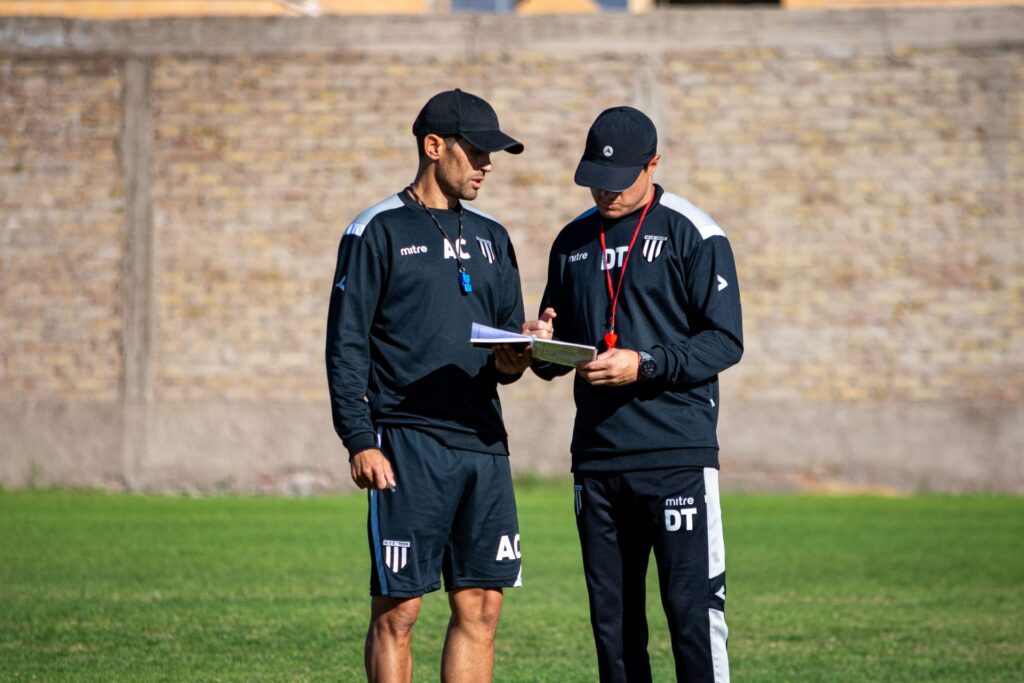
A coach is still a performer, just in a different capacity. They must manage pressure, make quick decisions, communicate effectively, adapt to adversity, and maintain the focus and commitment necessary to guide a team toward a common objective. However, coaching extends far beyond the technical and tactical aspects of a sport. Coaches influence how athletes respond to mistakes, approach challenges, build confidence, and interact with one another. Their behaviors set standards, their communication shapes the training environment, and their decisions influence how a team functions under pressure. The responsibility of a coach is not simply to prepare athletes to compete, but to create an environment where individuals can develop and perform together. A title may establish someone as a coach, but the way they fulfill that role determines the impact they have on their team’s performance.
The Lasting Impact of a Coach
A coach’s impact extends far beyond the strategies they teach or the decisions they make during competition. The same is true for bosses and leaders responsible for guiding others toward a common objective. Those in positions of influence shape how the people under their guidance perceive themselves, their abilities, and their potential. These perceptions can become self-fulfilling prophecies, influencing confidence, decision-making, and performance. If an athlete believes their coach does not believe in them, or an employee believes their boss does not trust their abilities, that perception can influence how they approach challenges and perform, regardless of what the coach or boss actually thinks. The belief itself can become a barrier to performance. Those in leadership positions may never intend to create doubt, but their behaviors, communication, and expectations influence how others interpret their value and capabilities. Their impact is not limited to the instructions they give or the standards they establish; it is also reflected in what people come to believe about themselves under their guidance. Understanding this influence is essential to understanding how a coach, boss, or leader can improve team performance or hinder the people they lead.
In Sports
For athletes, a coach’s influence can be seen in the trust built between a basketball player and their coach. Consider a player who misses several shots in a row during a close game. If that player trusts their coach to believe in their abilities, they may remain confident, continue taking open shots, and focus on executing the next play. However, if the player believes their coach has lost confidence in them, they may begin to hesitate, avoid taking shots, or overthink decisions they would normally make instinctively. The coach may have the same level of confidence in the player in both situations, but the athlete’s perception of that confidence can influence their performance. A coach’s response to mistakes, body language on the sideline, and willingness to keep an athlete in the game can all contribute to how that athlete interprets the coach’s belief in them. In a sport where confidence, decision-making, and split-second reactions matter, that perception can influence not only an individual player’s performance but also the team’s ability to execute when it matters most.
In Business
For business leaders, a manager’s influence can be seen in how employees approach important meetings, presentations, and high-pressure decisions. Consider an employee preparing to present a proposal to company executives. If the employee believes their boss trusts their abilities and supports their development, they may approach the presentation with greater confidence, communicate their ideas more effectively, and remain composed when challenged. However, if the employee believes their boss doubts their competence, they may second-guess their ideas, hesitate when answering questions, or struggle to communicate with confidence. Even when the boss has no intention of undermining the employee, the employee’s perception of that relationship can influence their performance. A leader’s role extends beyond delegating tasks and establishing expectations; it also involves creating an environment where employees feel capable of contributing, making decisions, and taking ownership of their work. When employees feel trusted and supported, they have a greater opportunity to perform to their potential, which helps improve team performance as a whole.
In Ministry
In ministry, the influence of a pastor or church leader often extends beyond the message they preach. People may choose a church based on the leadership they experience, the relationships they build, and whether they feel welcomed, valued, and connected to the church community. A pastor’s ability to lead with humility, demonstrate care, and build trust can influence not only an individual’s experience but also the unity and growth of the congregation. When people perceive their pastor as distant, unapproachable, or disconnected, it can affect their willingness to engage and serve in the community, regardless of the pastor’s intentions. Scripture recognizes the responsibility that comes with this role: “shepherd the flock of God that is among you, exercising oversight, not under compulsion, but willingly, as God would have you; not for shameful gain, but eagerly; ” (1 Peter 5:2, ESV). Ministry leadership is not simply about delivering a message or managing a church; it is about caring for the people entrusted to that leadership. The way pastors and ministry leaders serve, communicate, and build relationships can have a lasting impact on the health of the congregation and its ability to grow together.

Five Ways to Improve Team Performance as a Coach
A coach’s impact on team performance extends beyond strategy and technical skill. It is reflected in how they understand, develop, and prepare the people they lead. The following five strategies provide practical ways to strengthen your team’s performance through intentional coaching.
1. Know the Person Behind the Performance
Although athletes and employees are often evaluated by their performance, they are people before they are performers. Their motivations, communication styles, experiences, and individual needs influence how they respond to feedback, approach challenges, and interact with others. Self-Determination Theory (SDT), developed by psychologists Edward Deci and Richard Ryan, identifies three psychological needs that support motivation: autonomy, competence, and relatedness. When individuals feel connected to others, capable of meeting challenges, and empowered to take ownership of their actions, motivation is more likely to thrive. For coaches and leaders, understanding these needs begins with getting to know the person behind the performance.
Taking the time to understand an athlete or employee allows a coach or leader to recognize what motivates them, how they best receive feedback, and what may be influencing their behavior. Without that understanding, it can be easy to misinterpret hesitation as a lack of confidence, questions as resistance, or a change in behavior as a lack of commitment. What appears to be a performance issue may actually reflect a communication barrier, a lack of confidence, or an unmet need. Knowing the individual provides valuable context that allows leaders to adjust their approach rather than assume the same strategy will work for everyone.
For example, imagine a soccer coach who has an athlete who consistently hesitates to take open shots during games. The coach could interpret this behavior as a lack of confidence or aggressiveness and respond by demanding that the athlete shoot more often. However, by taking the time to understand the athlete, the coach may discover that the athlete is afraid of making mistakes because of how previous errors were addressed. This understanding changes how the coach can approach the situation. Rather than simply demanding a different outcome, the coach can work to build confidence, encourage appropriate decision-making, and create an environment where mistakes can be used as opportunities to learn.
Knowing the person behind the performance does not mean lowering expectations or abandoning accountability. It means understanding the individual well enough to determine how to help them meet those expectations. When coaches and leaders recognize the people they lead as individuals rather than simply contributors to an outcome, they are better equipped to support motivation, strengthen relationships, and improve team performance over time.
2. Make Feedback a Tool for Growth
Feedback is a necessary part of development, but the way it is delivered can determine whether an individual uses it to improve or perceives it as criticism. When feedback only occurs after something goes wrong, athletes and employees may begin to associate correction with failure, making them more likely to become defensive or hesitant to make mistakes. However, when feedback is a consistent and normalized part of the learning process, it becomes less about pointing out what someone did wrong and more about identifying what they can do better. Coaches and leaders have an opportunity to establish this culture by making feedback an ongoing conversation rather than something reserved for moments when performance falls short.
Making feedback a tool for growth also requires being intentional about the information being communicated. Motor behavior research has demonstrated that the way instructions direct a performer’s attention can influence skill execution and learning. Research by Chua and colleagues (2021), for example, found support for an external focus of attention, in which performers focus on the intended effect of a movement rather than the mechanics of their own bodies. Consider a coach working with an athlete who wants to jump higher. Instructing the athlete to focus on specific leg movements directs their attention internally, while encouraging them to drive the ground away through their feet directs attention toward the outcome of the movement. The distinction matters because feedback should help performers understand how to accomplish a task without unnecessarily overthinking movements they need to execute naturally. The goal is not simply to tell someone what to change, but to communicate in a way that helps them make that change.
For example, imagine a basketball team that consistently struggles with defensive rotations. A coach could use film sessions to highlight every missed rotation and explain what each player did incorrectly. However, if the session focuses only on mistakes, athletes may leave knowing what went wrong without understanding how to respond differently. Instead, the coach can use film to help players recognize patterns, examine how opposing teams create scoring opportunities, and identify adjustments that would improve their defensive execution. By making these reviews a regular part of practice, the coach helps normalize the process of identifying mistakes and learning from them. Athletes begin to understand that feedback is not a judgment of their ability, but information they can use to improve their performance.
Feedback alone does not guarantee growth. Growth occurs when individuals can understand the information they receive, apply it to their performance, and make adjustments over time. When coaches and leaders create an environment where feedback is consistent, intentional, and focused on improvement, they improve team performance by making development part of the culture rather than a reaction to poor performance.
3. Model the Standards You Expect
The standards you expect from your team must first be reflected in your own behavior. If you expect athletes or employees to arrive on time, take accountability for their actions, and remain composed under pressure, you must be willing to demonstrate those same behaviors. Leadership extends beyond what you ask of others; it is reflected in what they consistently see you do. Just as children often look to their parents to understand how to respond to the world around them, athletes and employees look to their coaches and leaders for cues about how to respond to challenges, mistakes, and adversity.
One way to understand this responsibility is to consider the difference between a thermostat and a thermometer. A thermometer reflects the temperature of its environment, while a thermostat has the ability to influence it. Coaches who allow their attitudes and behaviors to be dictated entirely by the circumstances around them may unintentionally contribute to the very environment they are trying to change. If a team is struggling, a coach who responds with frustration or discouragement can add to the tension. However, a coach who remains intentional in their communication, effort, and response to adversity can help the team regain its focus. This does not mean coaches must hide their emotions or pretend every situation is positive. It means recognizing how those emotions may influence others and choosing how to respond in a way that supports the team.
For example, imagine a coach whose team is losing a close game and beginning to show signs of frustration. Rather than allowing their own disappointment to dictate their behavior, the coach can acknowledge the challenge while modeling composure, accountability, and continued effort. If the coach is nervous or discouraged, they can communicate appropriately without placing the burden of those emotions on the team, then demonstrate how to move forward productively. Over time, athletes learn that pressure does not have to determine their response and that setbacks do not excuse abandoning the team’s standards.
Ultimately, you cannot expect your team to consistently demonstrate behaviors you are unwilling to practice yourself. When coaches model the accountability, emotional regulation, effort, and adaptability they expect from others, they help establish a culture in which those standards are lived rather than simply stated.
“Monkey See. Monkey Do.”
– Anonymous
4. Practice Under Pressure
It is easy to fall into a routine of repeating the same drills, following the same protocols, and practicing in predictable environments. Although repetition is important for developing skills, competition rarely unfolds in the same way twice. High performers must make decisions, adapt to changing circumstances, and execute skills while managing pressure, frustration, and unexpected challenges. If practice never requires performers to navigate these demands, they may be less prepared to respond when they encounter them in competition.
Motor learning research explores a concept called contextual interference, which examines how varying the order of practice tasks influences learning. Rather than completing the same drill repeatedly before moving to the next, coaches can mix different tasks and change the conditions under which athletes practice. Although this approach can make practice more difficult at the moment, research suggests it may support skill retention and transfer in certain contexts. The goal is not to make practice difficult for the sake of difficulty, but to help athletes learn to adjust rather than depend on predictable conditions (Czyż SH, Wójcik AM, & Solarská P., 2024)
Coaches looking to improve team performance can also introduce realistic pressure by creating competitive scenarios, adding distractions, limiting opportunities, or requiring athletes to make decisions while fatigued or frustrated. For example, a volleyball coach might end practice with a simulated set point, requiring the team to communicate, make quick decisions, and execute under pressure while trailing by two points. These situations provide opportunities to practice not only the physical skills required for performance, but also the emotional regulation and adaptability needed when the pressure rises.
The goal is not to eliminate pressure from competition, but to prepare athletes to respond to it. When coaches intentionally introduce challenge and variability into practice, athletes have opportunities to learn how to perform when conditions are less than ideal and not predictable. After all, the ability to perform under pressure is not simply something athletes need on game day; it is something they can practice developing long before they get there.
5. Believe in Their Potential
Believing in an athlete’s or employee’s potential is important, but communicating that belief is just as essential. As mentioned earlier, Self-Determination Theory identifies competence as one of the psychological needs that supports motivation, referring to an individual’s need to feel capable of meeting challenges and making progress. Coaches and leaders can influence this perception through their expectations, feedback, and reactions to performance. When individuals believe the person leading them trusts their abilities, they may be more willing to take risks, embrace challenges, and persist through setbacks. When they perceive doubt from their coach or leader, that doubt can become part of how they evaluate their own capabilities.
This can create a self-fulfilling prophecy: what a performer believes their coach expects of them can influence how they approach and ultimately perform a task. For example, imagine a business owner presenting a new idea to a potential client and failing to secure the partnership. If their mentor or supervisor responds with visible disappointment or immediately questions their ability to lead the business, the owner may interpret that reaction as evidence that they are not capable of succeeding. That perception can influence their confidence and willingness to pursue future opportunities. However, a leader who communicates confidence in the business owner’s ability to learn from the experience, while still addressing what could improve, reinforces the belief that one disappointing outcome does not determine their potential.
Believing in someone’s potential does not mean overlooking mistakes or offering empty praise. It means communicating, through both words and actions, that their current performance does not define the limits of their ability. When coaches and leaders consistently reinforce that belief, they help others see themselves as capable of growth, challenge, and future success.
Coach is Part of the Team as well
Failure is not something you can completely avoid. It is a natural part of performance, and your ability to cope with it is a skill that your PsyOPTIMAL practitioner can help you train. A team’s performance is influenced by more than the talent of the individuals on it. Coaches play an important role in shaping the environment, expectations, and behaviors that allow a team to grow and perform together. Leadership is not simply about holding others accountable; it is about taking responsibility for the culture you help create.
Talk to your PsyOPTIMAL practitioner to help you lead with intention and improve team performance. Create accountability. Build a winning culture. These principles begin with how you lead, how you respond to challenges, and how you develop the people you coach.
You cannot control every outcome, but you can influence how your team prepares, responds, and develops. Remember, the coach is a performer part of the team, too. The standards you model, the belief you communicate, and the environment you create can improve team performance in ways that last.