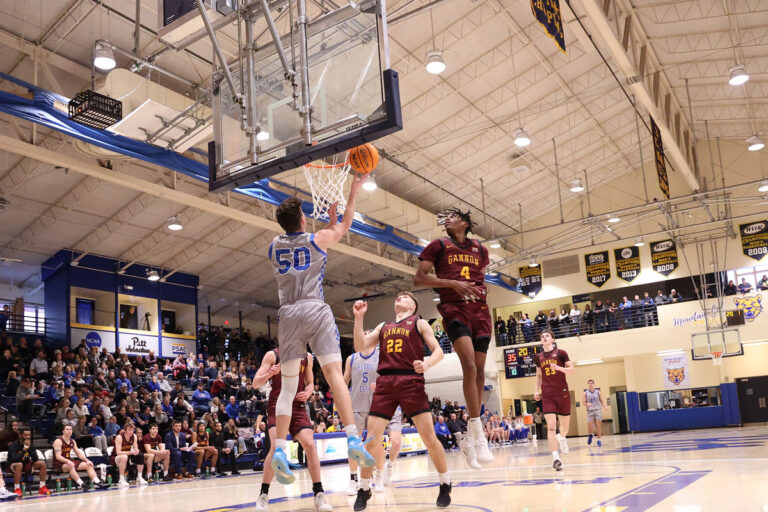
Every athlete knows what it feels like to be watched. The court, the field, the track — these aren’t just places of competition; they are stages where eyes are always present. In that spotlight lives a powerful force that shapes confidence in sports: self-consciousness. It is the quiet awareness of being seen, evaluated, and judged. When understood and trained, it sharpens focus and elevates performance. When left unchecked, it becomes a silent disruptor that can undermine years of preparation.
This inner awareness is deeply tied to sports performance anxiety and mental pressure in sports, a relationship well documented in sports psychology research. Athletes are not just competing against opponents — they are also navigating expectations, reputation, and perceived judgment. The ability to manage that internal dialogue determines whether pressure becomes fuel or friction.
When Self-Consciousness Builds Confidence in Sports
The right level of self-consciousness acts as a stabilizer. It keeps athletes attentive to detail, accountable to standards, and grounded in purpose. It reminds them that they represent more than just themselves — they carry teammates, coaches, families, and a culture of excellence with them. This awareness pushes preparation to be more intentional, habits to be sharper, and routines to be more disciplined.
This is where athletes begin to understand the Power of Attitude — the realization that internal tone, self-talk, and emotional posture directly shape execution, resilience, and consistency under pressure.
In this balanced state, confidence in sports grows from ownership rather than ego. Athletes become aware without becoming afraid. They stay alert without becoming tense. Their mindset remains competitive, yet composed. This is the psychological zone where performance anxiety in athletes remains low, and confidence is built through consistency and clarity rather than hype.
When Self-Consciousness Turns into Sports Performance Anxiety
Too much self-consciousness shifts an athlete from playing to protecting. Attention turns inward instead of outward. Thoughts revolve around mistakes, appearance, approval, and judgment. This is where sports performance anxiety begins to rise and mental pressure in sports becomes heavy.
Movements tighten. Decision-making slows. Creativity disappears. Confidence fractures. Athletes begin competing not to win, but to avoid failing. They become hyper-aware of the crowd, the camera, the scoreboard, and even their own body language. The game loses its flow. What once felt natural becomes forced. Over time, the athlete starts to disconnect from the boldness and instinct that originally made them effective.
When Low Awareness Undermines Performance
While excessive pressure is damaging, too little self-consciousness creates its own problems. When athletes stop reflecting on their effort, attitude, and emotional impact, complacency creeps in. Blind spots grow unnoticed. Feedback gets dismissed. Standards quietly slip.
This lack of awareness weakens confidence in sports just as much as anxiety does. Without reflection, athletes fail to self-correct. Habits become inconsistent. Emotional energy spreads negatively through teams. Progress stalls — not from fear, but from drift. Excellence is rarely lost in one moment; it is usually lost through small, unnoticed declines.
Training the Balance
The goal is not eliminating self-consciousness — it is training it. Elite performance requires awareness without anxiety, and confidence without carelessness. Athletes must learn to regulate their internal focus so they stay grounded in responsibility without becoming overwhelmed by pressure.
This balance protects against sports performance anxiety, stabilizes confidence in sports, and keeps mental pressure in sports from becoming disruptive. It creates an environment where accountability supports growth instead of fueling fear.
Four Practical Ways to Stay in the Clutch Zone
Athletes can train this balance with the same discipline they use in physical conditioning.
1. Shift Focus from Self to Task
Before practices and competitions, redirect attention from how you might be perceived to what the moment requires. Performance improves when attention is placed on execution rather than evaluation.
2. Use a Centering Pre-Game Routine
A consistent routine such as controlled breathing, visualization, stretching, or a personal mantra calms the nervous system and anchors focus. Stability before competition strengthens confidence in sports.
3. Create Mental Reset Cues
During competition, use a simple physical or verbal cue — tapping the chest, wiping hands, or saying “next play.” These cues interrupt spirals of doubt and prevent sports performance anxiety from escalating.
4. Lean on Trusted Feedback
Give a coach or teammate permission to flag when your awareness becomes too harsh or too loose. External feedback keeps your self-assessment realistic and balanced.
PsyOPTIMAL’s Perspective
When athletes learn to regulate self-consciousness instead of fighting it, they unlock a rare combination of freedom and discipline. They remain aware without becoming anxious, confident without becoming careless, and driven without becoming rigid. This balance strengthens confidence in sports, reduces performance anxiety in athletes, and keeps mental pressure in sports working for them — not against them. Research on the relationship between self-confidence and performance outcomes confirms that higher confidence levels are directly associated with better focus, persistence, emotional control, and competitive results, as shown in sport performance research.
This is where consistency, clarity, and composure meet. And that is where greatness becomes sustainable.